Hello there.
This is my first post in a series that I will call Elections in Other Countries. I always love elections, and Election Day in the United States always fills me with excitement along with a touch of anxiety. When it comes to primaries, I follow those closely as well, and will even pay attention to certain Mayoral and local elections. But my love of elections goes beyond the U.S and extends to other democracies in the World, even listening to the live broadcasts of the last national elections in the U.K and Canada. There are many democratic nations throughout the world that hold regularly scheduled elections, and I bet most people do not pay attention to them to the level that I do. So this series will consist of posts of elections when they are coming up. This first post is about the upcoming elections in Finland.
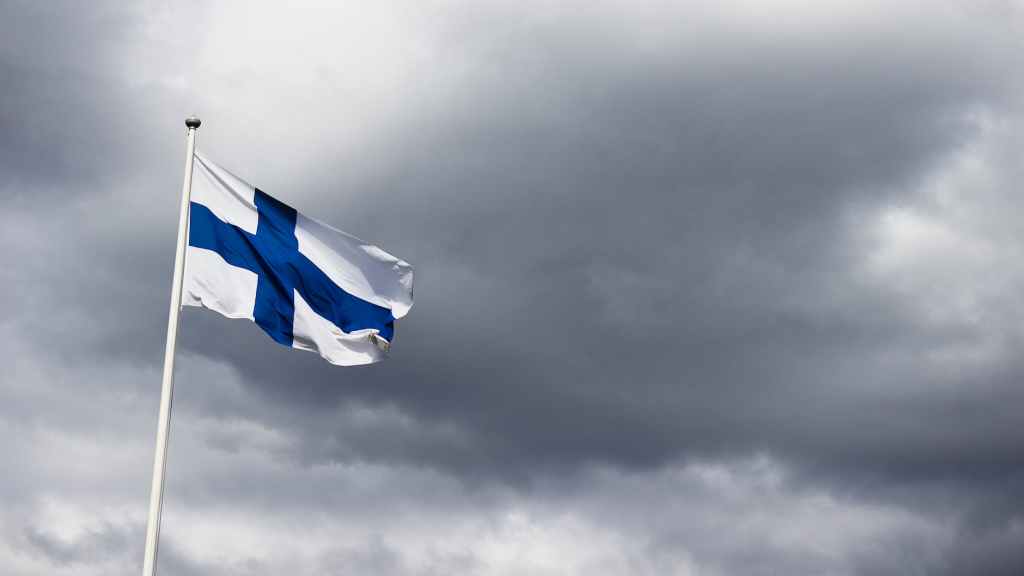
National elections in Finland are on April 2nd. The elections are for their Parliament, which has 200 seats. Finland is known for their generous Social Welfare state, which is the envy of many progressive Democrats in the U.S. Other unique attributes about Finland are that it consistently tops global surveys of how happy people are, and having a high percentage of parliamentarians being female (47 percent) well above the percentage of U.S Congress members being women (28 percent). In fact, for the first time ever, the leaders of all 5 parties in the current government are female.
Going into the election, Finland made its biggest foreign policy decision in decades when it applied to join NATO. For most of NATO’s existence, Finland eschewed membership in it, preferring to be neutral in order to avoid the wrath of Russia, which it shares a land border with. But Russia’s invasion in Ukraine changed that calculus. Now there is broad support amongst the Finnish people for joining NATO with every political party supporting such efforts (It has just joined NATO, with Turkey ratifying it’s membership this past week). The main issues being debated upon in the election run-up include reducing the deficit brought about by COVID spending, improving health services, and meeting climate change targets.
The Finnish Parliament has about 8-9 parties that routinely win seats, so the government always consists of multi-party coalitions. There are three parties that are leading in the polls. They are:
1. The Social Democrats. The main center-left party, it won the most seats in the last election, so it is the leading party in a five-party coalition. Its leader and Prime Minister is Sanna Marin. She rose quickly in politics, and when she took over from her scandal plagued predecessor at the end of 2019, she was, at 34, the youngest leader in the world at the time. She has grown into the job, staunchly supporting Ukraine and went viral with her blunt answer to a question about how the war there can end. She is personally popular, but her party is in a tough dogfight, and narrowly behind in the polls. She is running on a platform of expanding health care to rural parts of Finland, and closing tax loopholes in order to lower the deficit.
2. The National Coalition Party. The official opposition, it is a center-right party that is led by Petrri Orpo. His party is slightly leading the polls, and was last in government in 2015. He is campaigning on deficit reduction, advocating spending cuts and criticizing Marin as being irresponsible about spending. While NCP supports meeting climate change targets by 2035, Orpo recently disagreed with Marin’s proposal to send old F-16 fighter jets to Ukraine, calling it unreasonable.
3. The Finns Party. The third largest party in parliament, it is a Right-Wing populist party led by Rikka Purra, and it is at or near parity with the Social Democrats in the polls. It is campaigning on lowering immigration rates from outside the EU. It also is the only main party that advocates delaying climate change targets agreed upon from 2035 to 2050. It is the top party of young people due to its presence on social media, and Purra’s plain spoken manner. The Finns Party is controversial, being aligned with other far-right parties in Europe, and has been criticized for employing racist rhetoric at times. Marin said she will not join a coalition with The Finns Party, but Orpo has left the door open for a NCP- Finns coalition after the election.
As I mentioned above, there are 5 other parties that are competing in the election. They are:
1. The Center Party. A centrist party, it won the most seats after the 2015 election, and whose main constituency is rural voters.
2. The Green Party. It is a left wing party, whose main issue is protecting the environment and advancing climate change goals.
3. Swedish People’s Party. Another centrist party, its main constituency is Finnish people who speak Swedish.
4. Christian Democrats. A party with socially conservative stances, it has ties to Christian voters who are religious.
5. The Left alliance. A far-left party, it has a presence in the Labor Unions, and has ties with Communism.
That is all. Several links are embedded in this post so people can read more on this subject. in addition to 2 links to articles that will be posted below. What foreign elections do you pay attention to? Comment below.
https://www.politico.eu/article/finland-prime-minister-sanna-marin-struggle-reelection/


 Grodence Paquado
Leave a comment