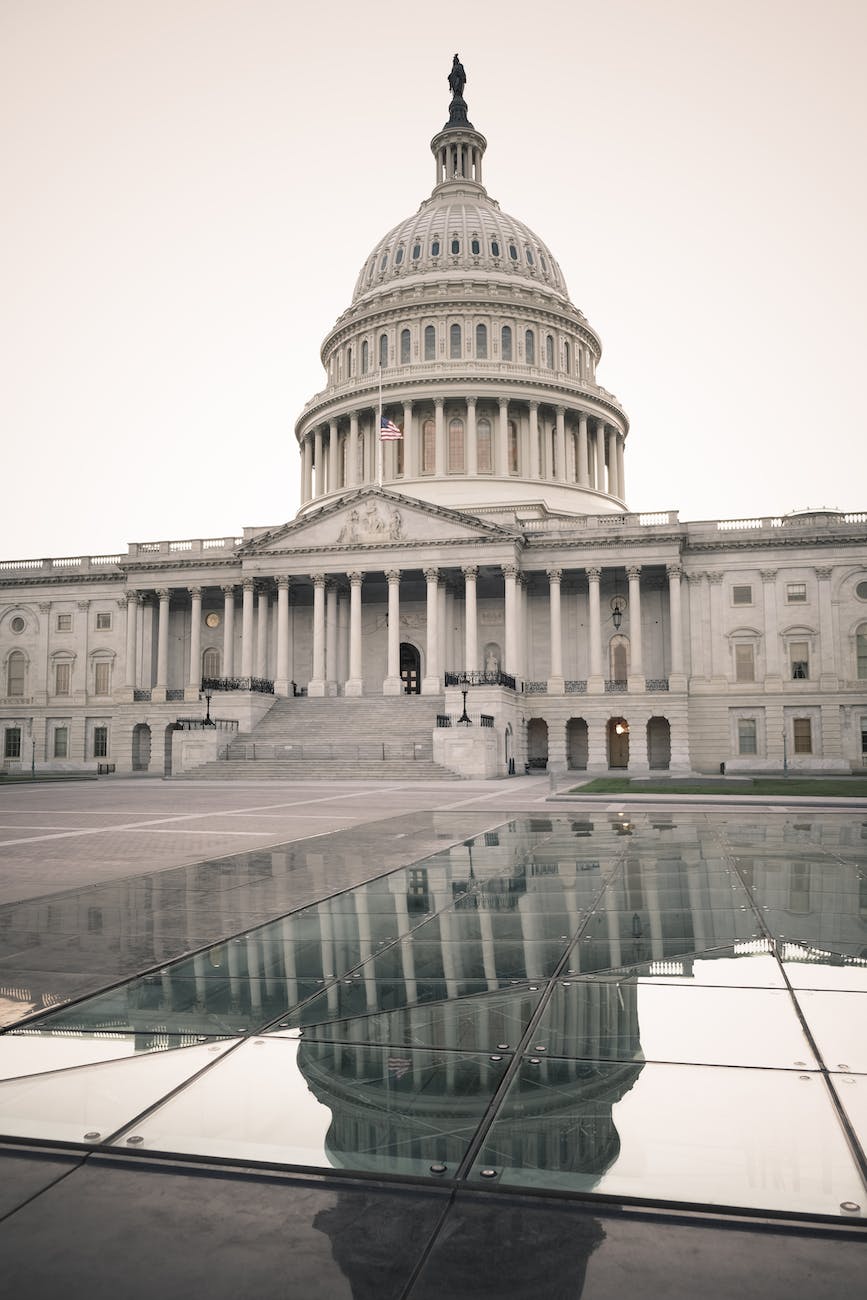
This post will be about Capitol Hill. No, not the Speaker Drama, there has been plenty of coverage about that. I am going to write about congressional staffers.
In late 2021, an Instagram page called Dear White Staffers started to go viral amongst people who worked on Capitol Hill. Created by an anonymous Capitol Hill Staffer, people could be candid about their experiences on Capitol Hill without risking their professional career. A particularly popular topic on the page is the Vibe Check. Someone will ask what the “Vibe” is like in a politician’s office. Other people will answer and describe whether the politician is friendly to their staff, or walks all over them. Someone else might describe whether the senior staff treats their more junior colleagues with respect, or whether they hurl abuse at them.
What is noteworthy was that there are politicians on both sides of the aisle who are very friendly to their staff and there are both Democrat and Republican members of Congress whose workplaces are toxic. Other topics written about in posts are which Congressional office pays the highest salary, which offices pay their interns, how to find affordable housing in D.C, and how to report instances of harassment.
One topic that bubbled up through the page was the idea of Unionization. In 1995, the Congressional Accountability Act was passed. One of the provisions of the law allowed Congress to vote to unionize staffers. Congress never voted on that provision, but the idea was revived thanks to Dear White Staffers.
As word of the Dear White Staffers page spread, and news organizations started to cover it, it was inevitable that reporters would start asking politicians questions about a union. In February of last year, when a reporter from website Latino Rebels asked Speaker Pelosi at her weekly press conference whether she would be in favor of staffers unionizing, she said yes. Soon after, Rep. Andy Levin (D-Michigan) introduced a resolution allowing staffers in Congressional Offices to Unionize and negotiate a contract with their Representative. The resolution passed, and as of the end of the last Congress, 14 congressional offices voted to unionize, and one (Levin) successful negotiated a contract. (Note: the bill only applied to House staffers, as an effort to allow Senate Staffers to unionize would have required 60 votes in order to break a filibuster)
Everyone knows about the politicians on Capitol Hill. Most of the public don’t know about the staff, and people who do know about staffers sometimes view them with scorn, believing they are overpaid (On the contrary, many are underpaid and rely on food stamps). But when 2000 page appropriation bills are written at the end of the year to fund the government, who writes the text to the bill? Staffers. Who does the research when writing a bill to make sure the bill has an impact? Staffers. They are the people that make Capitol Hill function, and it is a good thing that they are speaking out to make sure they are being treated fairly. The efforts of Dear White Staffers has spawned similar chat groups and uncovering of similar issues in state legislatures, executive branch offices, and the White House.
So please read Dear White Staffers, and next time you interact with a Congressional staffer, thank them for all that they do.


 Grodence Paquado
Leave a reply to Jeff Cancel reply