Grodence here.
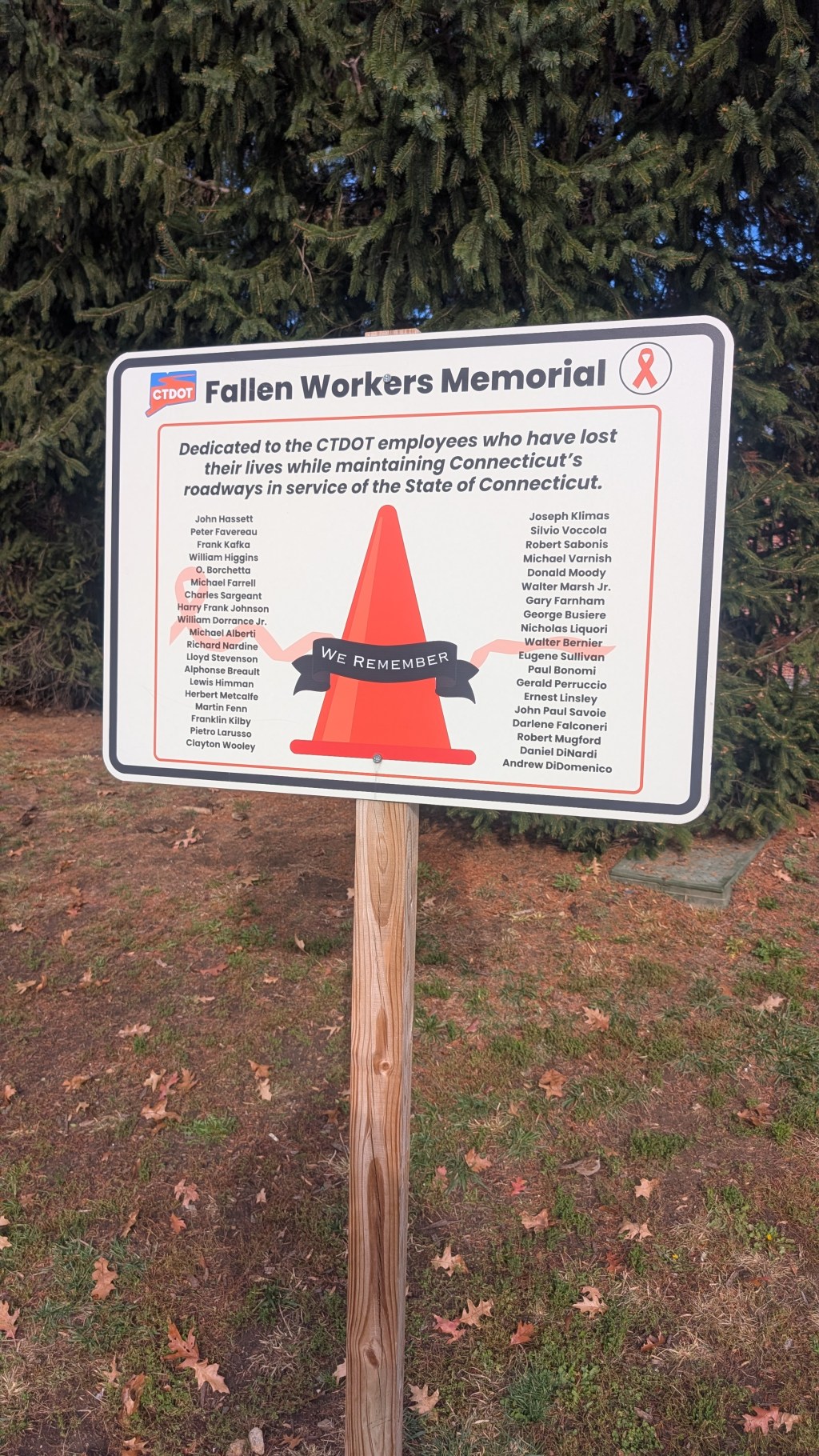
When I was traveling to visit my relatives on Thanksgiving, I stopped at a rest area and saw the memorial as shown in the picture above. I was touched, not just because it was honoring people who died on the job, but because of who specifically was being recognized.
Most plaques, memorials, and other public spaces dedicated to people who suffer workplace fatalities commemorate soldiers and members of law enforcement1. That is understandable considering that people that work in both professions willingly put themselves in harm’s way to protect the public. But in the present time, where there is no longer a draft, and only 2% of the population currently working in those two occupations, most people work in a wide variety of fields, some of them that carry quite a bit of risk. In fact, member of the military or law enforcement officer do not even crack the top 10 lists of most dangerous jobs2. According to the Bureau of Labor Statistics, the occupations with the highest rate of fatality in the United States are:
1. Loggers (98.9 deaths per 100,00 workers)
2. Fisherman (86.9 deaths per 100,000 workers)
3. Roofers. (51.8 deaths per 100,000 workers)
People who work in the logging industry risk getting crushed by falling branches and trunks, injured or killed due to accidents involving chainsaws or woodchippers, or falling from the great heights that they climb to cut branches. While there can be discussions about whether loggers cut down too many trees and damage our ecosystem, they provide the raw material used to make everything from building frames, paper, and furniture. Fishermen risk falling overboard and drowning due to working on relatively small boats in rough waters, which is evident if you have ever seen the show Deadliest Catch, or this movie. But their hauls of fish, shrimp, and other sea critters are why we can buy seafood at the grocery store to feed ourselves and our children, and why we can have delicious salmon at a nice restaurant.
Roofers work at least 7-8 feet off the ground, potentially much higher if they are working on a commercial building, so they have a great risk of suffering fatal injuries if they fall off their working surface or a ladder. Like other jobs in the construction industry, roofers help with constructing buildings where we work, and live. If someone’s house needs solar panels installed, for example, or if a roof leak needs to be repaired, roofers are the ones that are hired to make sure the issues are fixed. They make sure that people have a “roof over their heads” as the saying goes.
All these professions power our economy and are vital to making our society function, and while no one who becomes a Logger, Fisherman, or Roofer anticipates having to risk their life, most who are in those fields are dedicated to their jobs. It is about time that we give more recognition to those who have perished while working in important industries like these ones. The DOT memorial in the New Canaan, Connecticut rest area is a good start in this effort.
- Small bridges in particular seem to be named after slain officers ↩︎
- Fatality Rates for military personnel: 30-40 deaths per 100,000 depending on branch, and whether there is active fighting. Most deaths in the military are caused by accidents.
Fatality Rate for Law Enforcement: 11 deaths per 100,000. ↩︎


 Grodence Paquado
Leave a reply to marilyngrody Cancel reply